


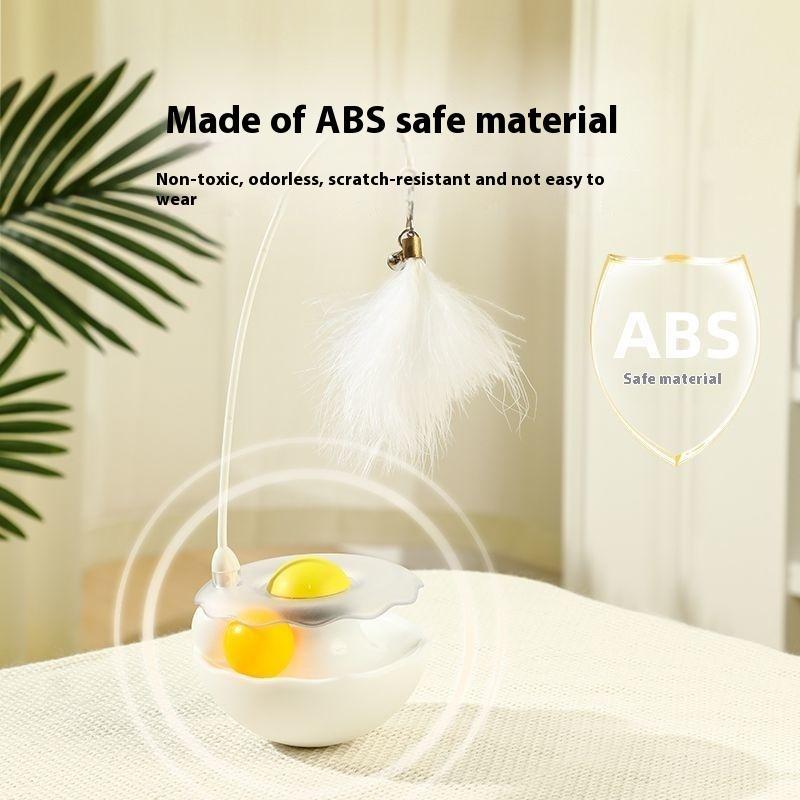
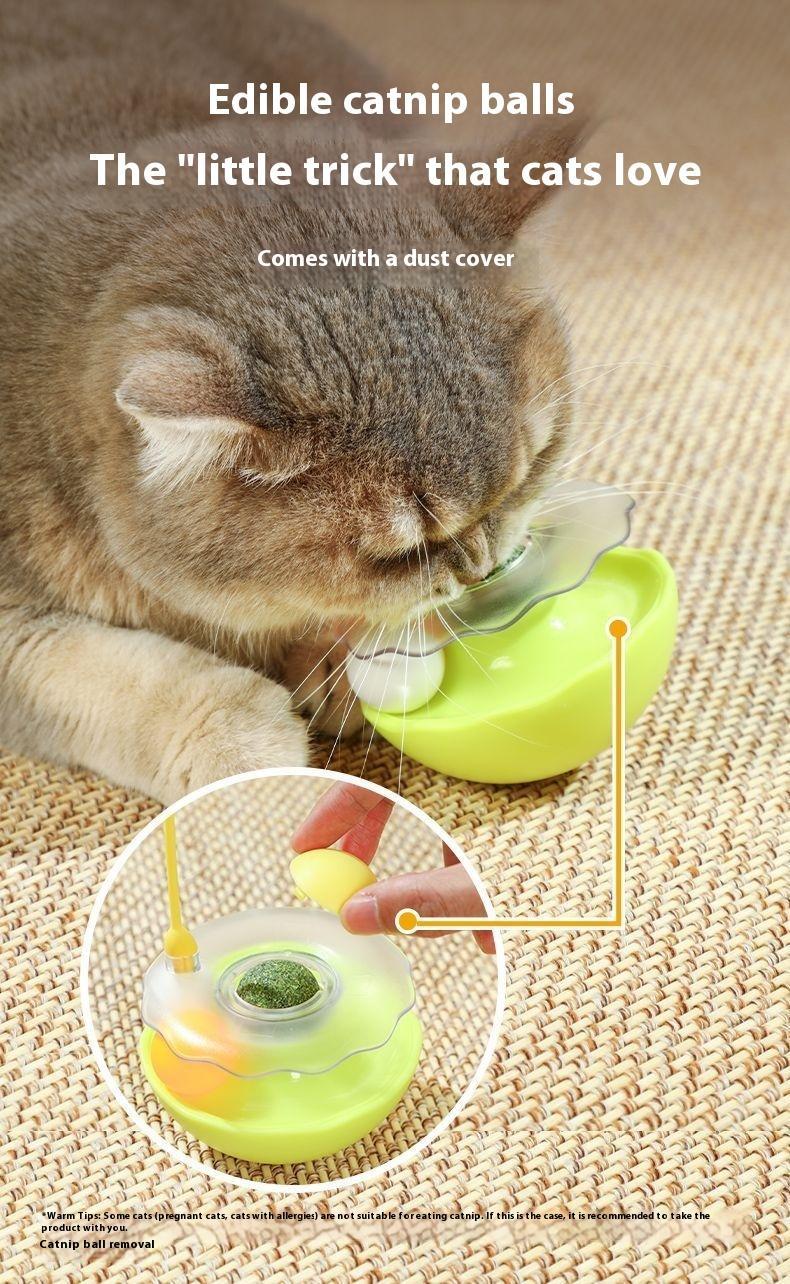
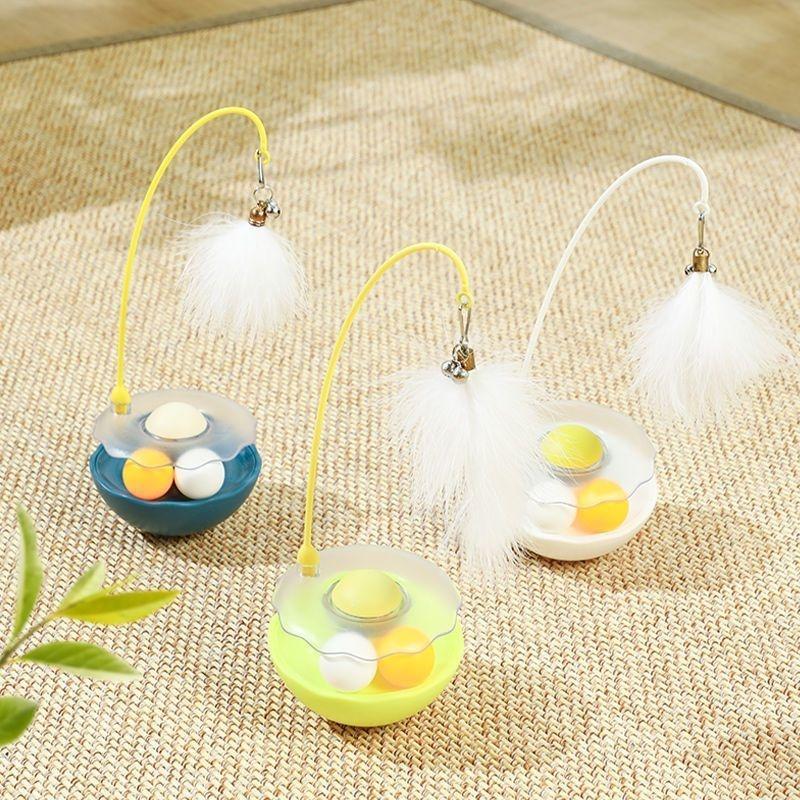

CAT TUMBLER TOY BALL
$47.99
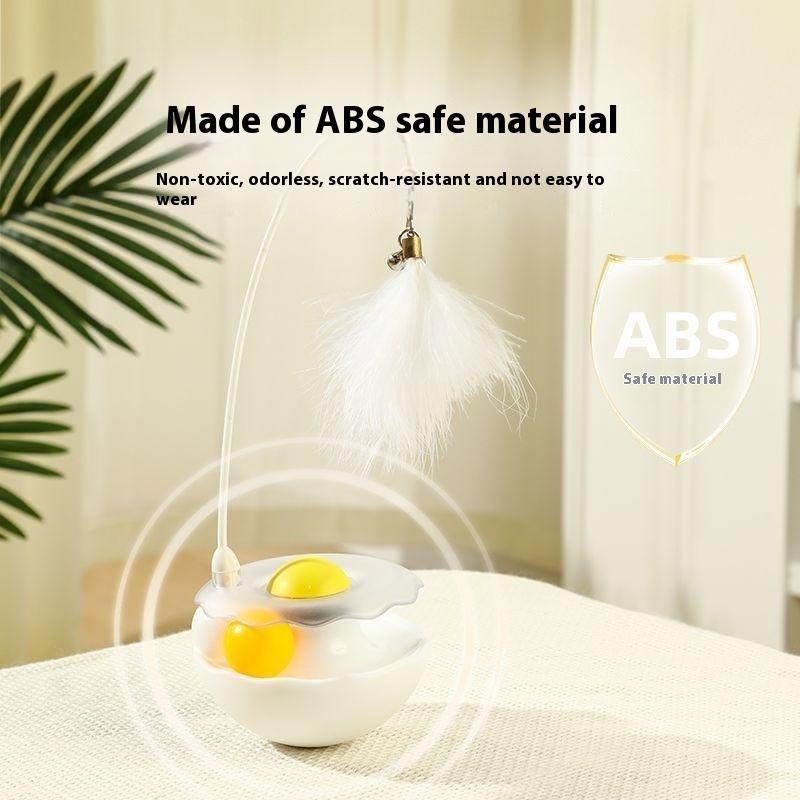
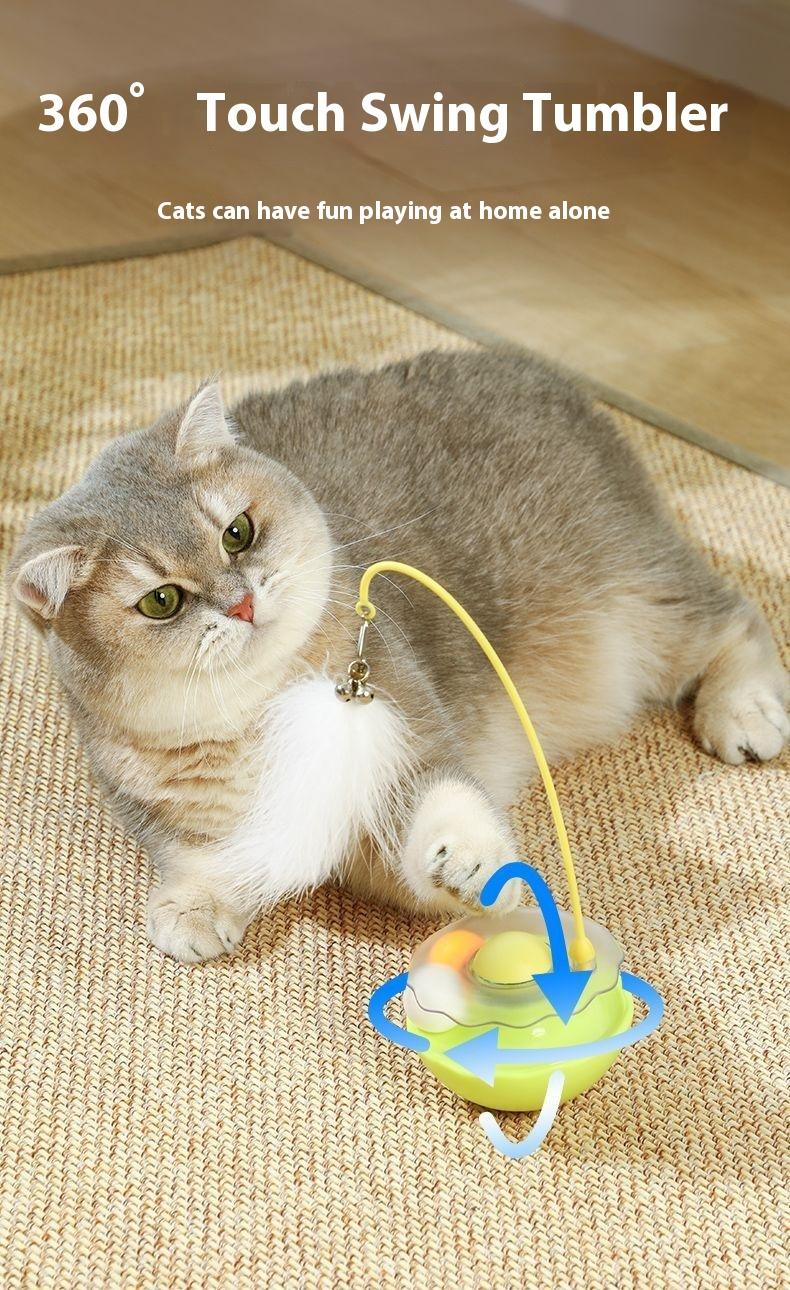
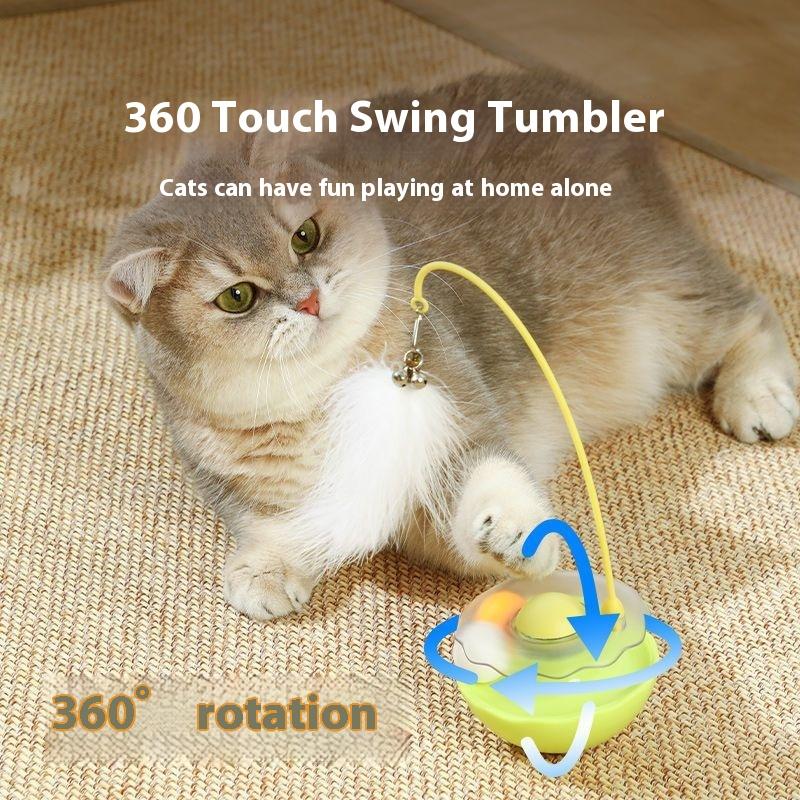
Your cat was built to hunt. The tumbler toy ball gives them something to hunt. A weighted self-righting base means no matter how hard your cat bats, swipes, or pounces — it always wobbles back for another round. Add treats inside and unpredictable dispensing keeps the game going for 20 or more minutes. The solo play toy for the cat who is bored, restless, or anxious when you are not home
Description
Something to Hunt. Something That Fights Back. Something That Finally Satisfies.
Here is something about indoor cats that most cat owners never fully appreciate.
Your cat spends approximately 16 hours a day asleep or resting. The remaining 8 hours, their brain expects to spend hunting, stalking, catching, and consuming prey. In the wild, that predatory cycle — spot, stalk, chase, catch, kill, eat — is the primary organising principle of a cat’s waking life.
In your apartment, they have a food bowl that appears twice a day without any effort required, and a selection of toys that do not respond when batted and feel nothing like prey.
The gap between what the feline brain expects to do and what indoor life actually provides is one of the primary drivers of cat anxiety, over-grooming, aggression, and the midnight zoomies that have cost you more sleep than you care to calculate.
The PawCalmHub Cat Tumbler Toy Ball closes that gap. Weighted base. Self-righting design. Unpredictable wobble. Treat-dispensing reward. Everything needed to trigger the complete predatory sequence — and the deep, satisfied calm that follows a successful hunt.
Why the Wobble Is Everything
The tumbler toy ball is different from every other cat toy in one critical way: it responds.
A feather on a string responds only when you hold it. A catnip mouse responds only when your cat chooses to animate it. Neither provides the element that makes prey compelling to a cat — unpredictable, reactive movement that suggests a living target.
The tumbler’s weighted base creates genuine unpredictability. When your cat bats it, it does not roll away in a straight line and stop. It wobbles. It tilts at an unexpected angle. It rights itself and wobbles again in a different direction. It resists. It recovers. It behaves, in the most important neurological sense, like something that is trying not to be caught.
This reactive quality activates the cat’s full predatory attention system in a way that passive toys simply cannot. Heart rate elevates. Pupils dilate. The stalking posture engages. Your cat is no longer desultorily batting something — they are hunting.
The Neuroscience of Why This Calms Anxious Cats
The predatory sequence — spot, stalk, chase, catch, consume — is not just a behaviour pattern for cats. It is a neurological need. When the sequence is completed, the brain releases a cascade of neurochemicals including dopamine from the successful catch and serotonin from the consume phase that produce a genuine post-hunt calm.
An indoor cat whose predatory drive is chronically unfulfilled does not simply experience boredom. They experience a sustained state of neurological frustration — the same arousal state that generates anxiety, over-grooming, redirected aggression, and destructive behaviour. This is why enrichment toys are increasingly described by veterinary behaviourists not as entertainment but as anxiety treatment.
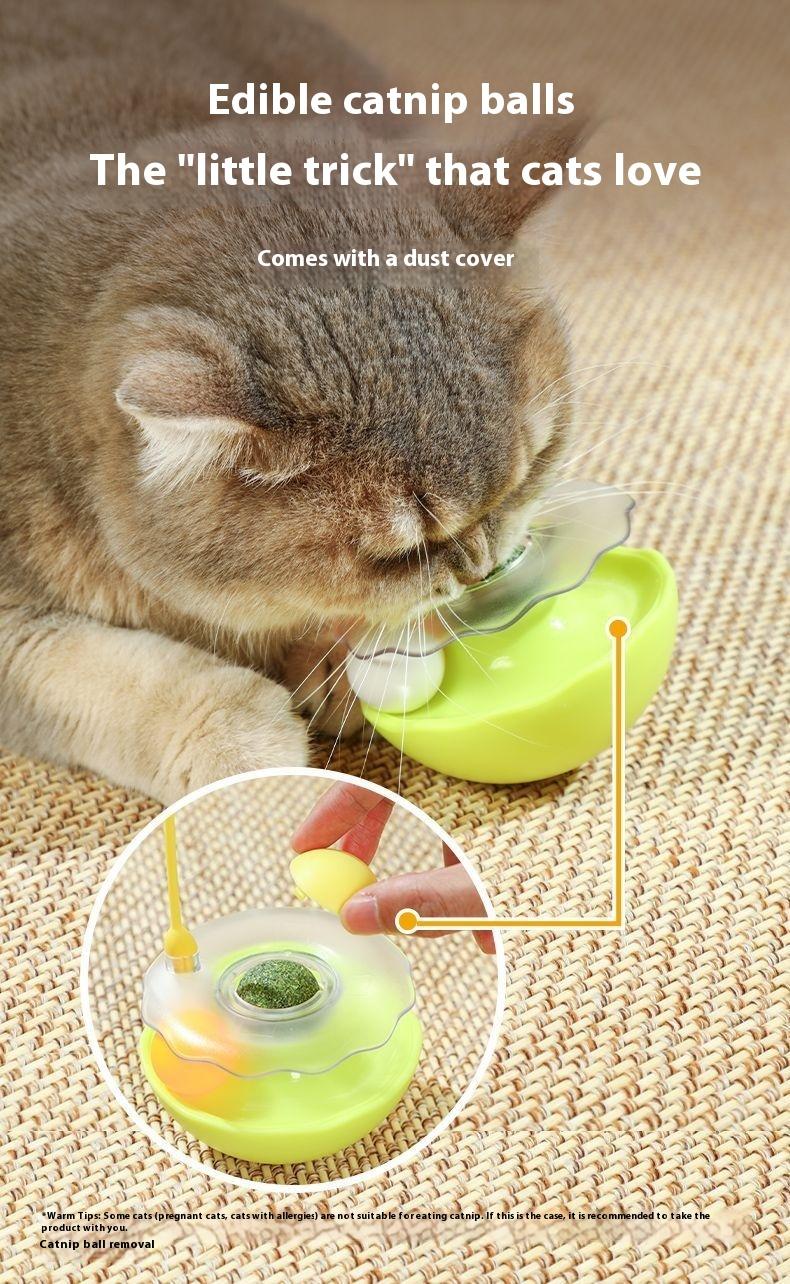
The treat-dispensing function of the tumbler ball completes the cycle that makes the calming neurochemical release possible. Your cat hunts (tumbler chasing). Your cat catches (the tumbler is cornered or falls over). Your cat consumes (treats fall out). The full predatory sequence is satisfied. The brain receives the signal that the hunt was successful. The post-hunt calm begins.
This is not a toy. This is a daily anxiety management protocol for your cat that requires no effort from you.
How the Treat Dispensing Keeps Them Coming Back
The treat dispensing in the tumbler ball works on variable reward scheduling — the most powerful engagement mechanism available to the feline brain.
Treats do not fall out every time your cat bats the ball. They fall out unpredictably — sometimes after one bat, sometimes after five, sometimes after a flurry of paw strikes. This unpredictability is neurologically critical. Predictable rewards rapidly lose their motivating power — your cat figures out the pattern and stops engaging. Unpredictable rewards maintain engagement almost indefinitely because every interaction might be the one that produces the reward.
The practical result: your cat engages with the tumbler ball far longer than they engage with any toy that delivers consistent or no reward. Sessions naturally extend to 15 to 25 minutes of sustained active play — the duration needed to produce genuine physical and cognitive depletion.
Solo Play — The Anxiety Intervention That Works When You Are Not There
For cats with separation anxiety or boredom-driven anxiety, the tumbler ball’s most important feature is not the wobble or the treat dispensing. It is the fact that your cat can use it completely alone.
Most calming interventions for cats require your presence — interactive wand play, grooming, lap time. The tumbler ball is self-activating and self-sustaining. Your cat initiates, your cat plays, your cat rewards themselves. The entire session happens without you.
For cats who show separation-related distress — yowling, over-grooming, refusing to eat when alone — a tumbler ball filled with a portion of their daily food allowance placed exclusively at departure time creates a positive departure association. Something amazing happens when you leave. The anxiety trigger becomes the treat trigger.
Over days and weeks of consistent use, the anticipation shifts from owner is leaving to tumbler ball is coming — a fundamental counter-conditioning of the separation anxiety response.
What to Fill It With
The tumbler ball works with any dry food small enough to fit through the dispensing opening.
For daily enrichment use: Regular dry kibble using a portion of your cat’s daily food allowance, or small dry cat treats.
For high-value sessions — special occasions, post-stress calming, or introducing the toy for the first time: Your cat’s absolute favourite treats for maximum motivation.
How much to fill: Approximately one-third of the ball’s capacity. Too full and treats dispense too easily — reducing the challenge and shortening the session. Too empty and the session ends too quickly.
Important: Account for all treats dispensed through the tumbler ball in your cat’s daily calorie calculation to prevent weight gain.
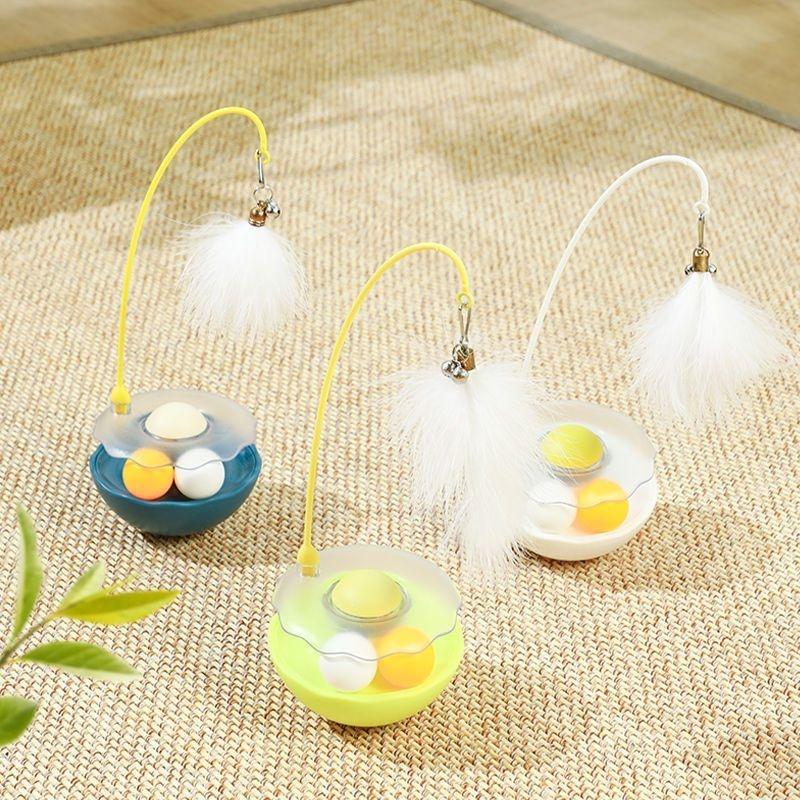
Pink or Yellow — Colour and Feline Vision
Cats are dichromats — they see the world through two types of colour receptors rather than the three humans have. This means cats have poor red-green discrimination but excellent blue-yellow discrimination.
Yellow registers as one of the most visually salient colours in the cat’s visual spectrum. Against most floor surfaces — cream carpet, grey tile, natural wood — a yellow tumbler ball stands out with high visual contrast and is easy for your cat to track during rapid movement.
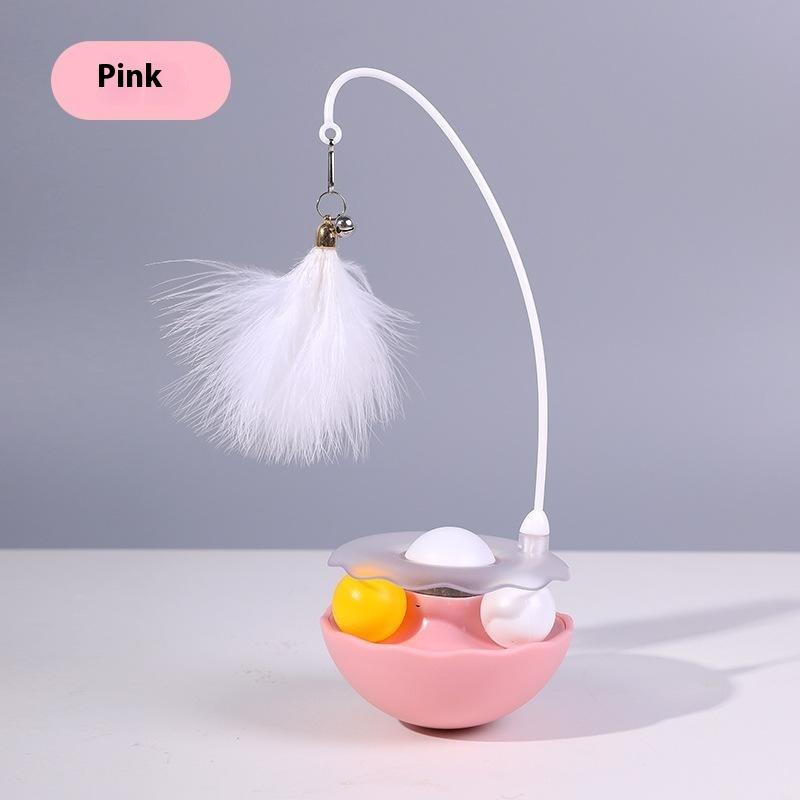
Pink, which sits in the blue-purple range of feline vision, is also clearly visible to cats particularly on warm-toned floor surfaces.
Our recommendation: Yellow for cats who primarily play on light-coloured floors. Pink for cats who play on dark floors or whose owners prefer the aesthetic.
Building a Complete Cat Enrichment Routine With the Tumbler Ball
Morning before you leave: Fill the tumbler ball with a portion of your cat’s breakfast kibble. Present exclusively when you leave — never at other times. This creates the departure counter-conditioning association.
Midday or on weekends: Refill and present as a lunchtime enrichment session. For cats who are not food-motivated enough for the tumbler alone, combine with a brief interactive wand play session immediately before.
Evening: A second tumbler session before the evening meal depletes end-of-day energy accumulation and produces the pre-sleep calm that makes your cat ready to rest.
Lick mat pairing: After the tumbler session ends, presenting a lick mat spread with a small amount of wet food completes the predatory cycle with a licking-based consume phase — producing the serotonin release that makes the post-session calm deeper and longer-lasting.
What Cat Parents Are Saying
“My indoor cat has been bored and restless for years. I have bought probably 20 different toys and most lasted one session before she ignored them forever. The tumbler ball has been in rotation for six weeks. She still runs to it every morning. The self-righting wobble is the thing — she cannot figure it out and that is exactly what keeps her coming back.” — Rachel T., New York NY ⭐⭐⭐⭐⭐
“I got this for my cat who has separation anxiety. I fill it with her breakfast and give it to her when I leave for work. She used to yowl at the door — my neighbour told me. Since the tumbler ball, apparently silence. Actual silence. I cannot believe a $27 ball solved what months of other attempts did not.” — James B., Chicago IL ⭐⭐⭐⭐⭐
“Two cats, one tumbler. They actually take turns — when one finishes, the other moves in. I have never seen them co-operate around a toy before. Something about the treat dispensing makes them respectful of each other’s session. Genuinely baffling and genuinely wonderful.” — Sandra L., Austin TX ⭐⭐⭐⭐⭐
“My senior cat has arthritis and cannot play the way she used to. The tumbler ball is perfect for her current ability level — she can bat at it gently and still get the reward. It is the only toy she has engaged with in two years.” — Patricia W., Seattle WA ⭐⭐⭐⭐⭐
Our Guarantee
Every PawCalmHub product is backed by our 30-day satisfaction guarantee. If your cat does not engage with the tumbler ball within 30 days of consistent introduction — contact us and we will make it right.
Free US shipping. Arrives in 5 to 8 business days to all 50 states.
Questions about which enrichment toy is right for your cat’s specific anxiety type? Email us at hello@pawcalmhub.com — we respond within 24 hours.
Frequently Asked Questions
Q: My cat ignores every toy I buy. Will this be different? A: The tumbler ball has a significantly higher engagement rate with previously toy-indifferent cats because it responds — the wobble and self-righting movement trigger predatory attention in cats who have completely habituated to passive toys. Fill it with the highest-value treat your cat responds to for the first three sessions. Once the association between the ball and food reward is established, engagement becomes self-sustaining.
Q: Can I use this with my small dog? A: Yes — the tumbler ball works for small dogs as an enrichment tool with supervision. Dogs may mouth or chew it more aggressively than cats. Check the ball for bite damage after each session.
Q: How do I clean it? A: Hand wash with warm water and mild dish soap. Use a small brush to clean the treat dispensing opening. Rinse thoroughly — any soap residue may deter your cat. Allow to dry completely before refilling.
Q: How do I introduce it to a cautious cat who is nervous of new objects? A: Leave the ball in your cat’s environment without filling it for 24 to 48 hours. Let them sniff and investigate on their own terms. Once comfortable approaching it, add a small number of very high-value treats and let them discover the dispensing through natural investigation. Do not roll it toward them initially.
Q: Will the wobble sound disturb my cat or other pets? A: The tumbler produces a low, soft wobble sound on most floor surfaces — similar to a light object rolling on carpet. Most cats are not disturbed by it and many actively engage with the sound as a prey-like audio stimulus.
PawCalmHub — pawcalmhub.com Free US Shipping · 30-Day Guarantee · Ships in 5–8 Business Days Category: Separation Hub and Interactive Mental Stimulation Toys
Additional information
| Weight | 0.34 lbs |
|---|---|
| Dimensions | 20 × 50 × 20 in |
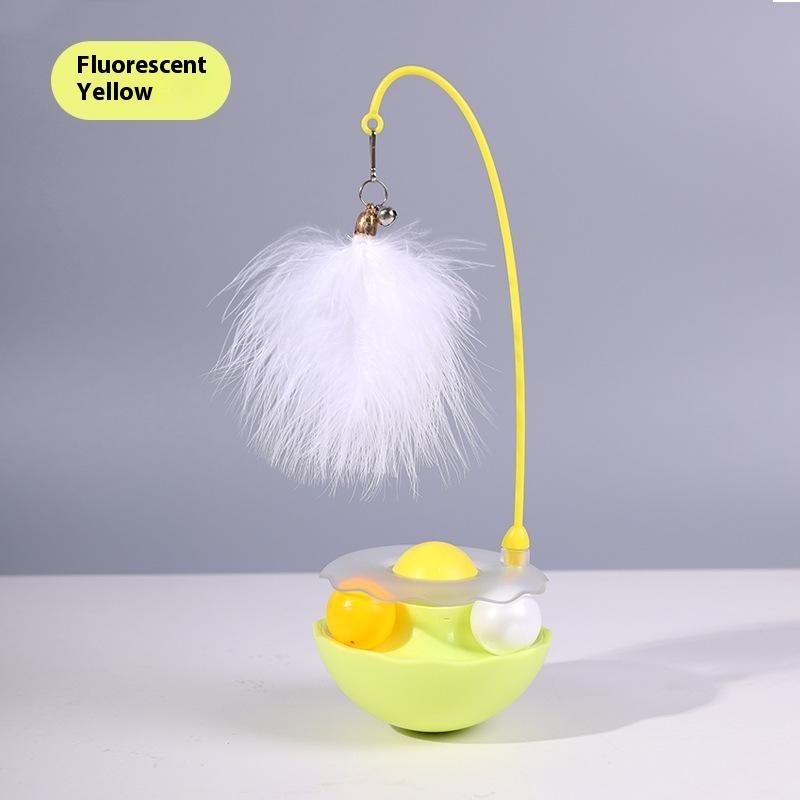
| Attribute | Pink, Yellow |
Related products
-
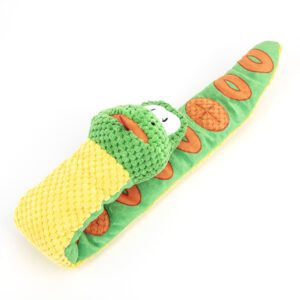

Dog Snuffle Mat Chew And Treat Dispensers
$33.78 Select options This product has multiple variants. The options may be chosen on the product page -
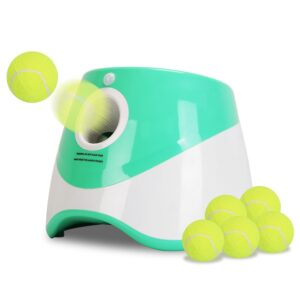
Automatic Dog Ball Launcher — Interactive Fetch Machine for Dogs
$99.99 Select options This product has multiple variants. The options may be chosen on the product page -
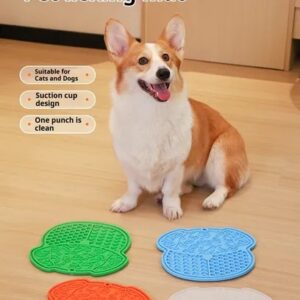
Dog & Cat Lick Mat
$38.61 Select options This product has multiple variants. The options may be chosen on the product page -
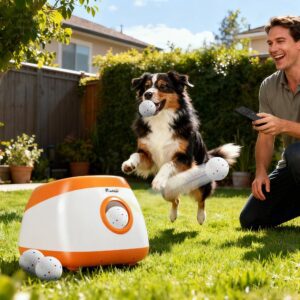
Automatic Dog Ball Launcher — 26–79 FT Range for Medium & Large Dogs
$155.99 Select options This product has multiple variants. The options may be chosen on the product page
Reviews
There are no reviews yet.